

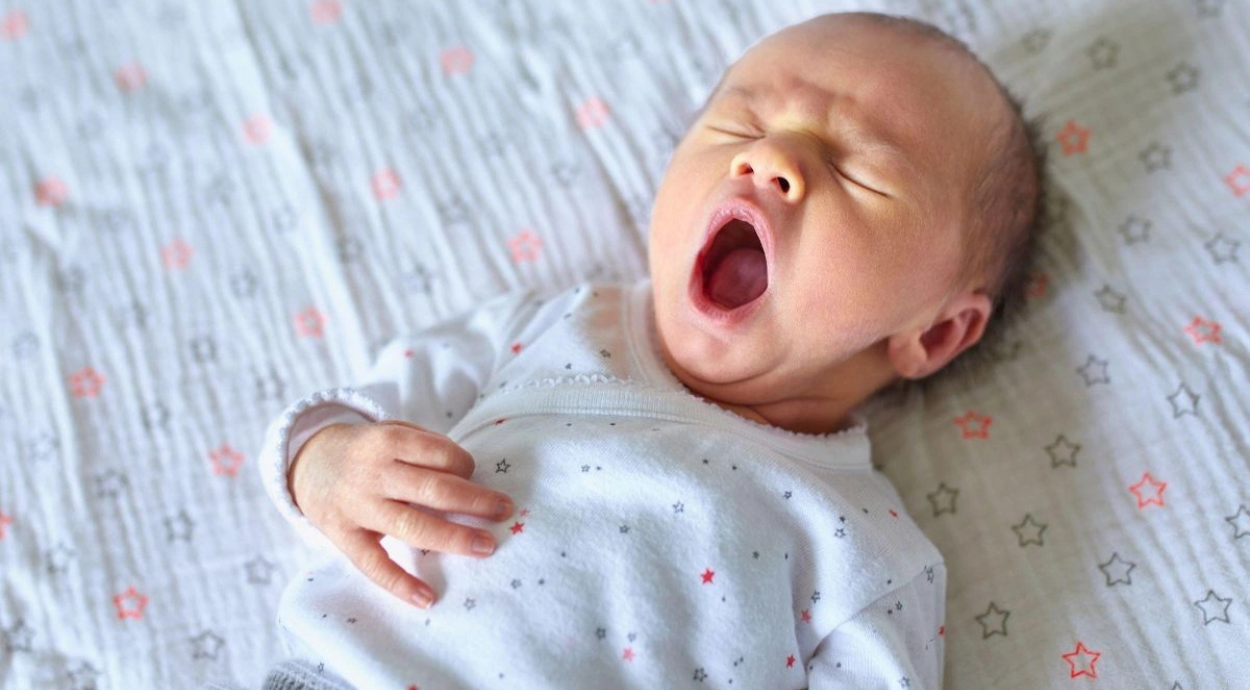
When babies struggle to sleep, most parents immediately think about feeding schedules, sleep routines, or diaper changes.
But there’s one factor that often gets ignored and it can quietly affect your baby’s comfort throughout the night:
Temperature.
Sometimes, the reason behind restless sleep is not hunger or fussiness at all. It’s simply that your baby feels too hot, too cold, or uncomfortable without being able to express it.
Why Babies Are More Sensitive to Temperature
Unlike adults, babies cannot regulate body temperature as efficiently.
This means even slight changes in room temperature can affect:
- Sleep quality
- Comfort levels
- Mood and restlessness
A room that feels “fine” to adults may still feel uncomfortable for a baby.
Signs Temperature May Be Affecting Your Baby’s Sleep
Many sleep disturbances can actually be linked to overheating or discomfort.
Here are some common signs:
- Frequent night-time wake-ups
- Sweating during sleep
- Restlessness or tossing around
- Flushed cheeks or damp clothing
- Difficulty settling back to sleep
Parents often assume these are normal sleep phases, when in reality, comfort may be the issue.
How Overheating Impacts Baby Sleep
Overheating is one of the biggest causes of sleep discomfort in babies especially during Indian summers or humid nights.
When babies feel too warm:
- Sleep becomes lighter and more interrupted
- They wake up more frequently
- Their bodies struggle to relax fully
Heavy bedding, poor airflow, or damp sleeping surfaces can make the problem worse.
What About Cold Temperatures?
While overheating is more common, excessive cold can also disturb sleep.
Babies may become uncomfortable if:
- Rooms are over-air-conditioned
- Clothing layers are insufficient
- Bedding feels cold or damp
The goal is to maintain a balanced and comfortable environment.
Why a Dry Sleep Surface Matters More Than You Think
Temperature and moisture often work together.
Even mild sweating during sleep can create dampness, leading to discomfort and interrupted rest.
This is why many parents are now focusing on:
- Breathable bedding
- Lightweight fabrics
- Waterproof dry sheets that help keep the sleeping surface dry and comfortable
A clean and dry sleep environment can make a noticeable difference in how peacefully babies sleep.
Simple Ways to Create a Comfortable Sleep Environment
Choose Breathable Fabrics
Soft cotton clothing and lightweight bedding improve airflow and reduce overheating.
Avoid Heavy Layering
Overdressing babies during sleep can trap unnecessary heat.
Maintain Proper Ventilation
Good airflow helps regulate room temperature naturally.
Keep Bedding Dry and Comfortable
Moisture from sweat or small leaks can disrupt sleep more than many parents realize.
Small Changes Can Improve Sleep Quality
Parents often search for complicated sleep solutions, but sometimes the answer lies in basic comfort.
A cooler, drier, and more breathable sleep setup can help:
- Reduce disturbances
- Improve sleep duration
- Create a calmer sleep routine
And for tired parents, even one extra hour of uninterrupted sleep can feel life-changing.
What Many Parents Realize Too Late
Most baby sleep advice focuses on routines and schedules.
But sleep comfort matters just as much.
Things like:
- room temperature
- airflow
- breathable bedding
- moisture control
can quietly shape how well your baby sleeps every night.
Final Thoughts
Baby sleep is influenced by many factors, but temperature is one of the most underestimated.
By paying attention to your baby’s sleep environment and making small comfort-focused adjustments, you can create a calmer and more restful experience for both your baby and yourself.
Because sometimes, better sleep isn’t about doing more it’s simply about making your baby more comfortable.

Leave a comment
All comments are moderated before being published.
This site is protected by hCaptcha and the hCaptcha Privacy Policy and Terms of Service apply.